
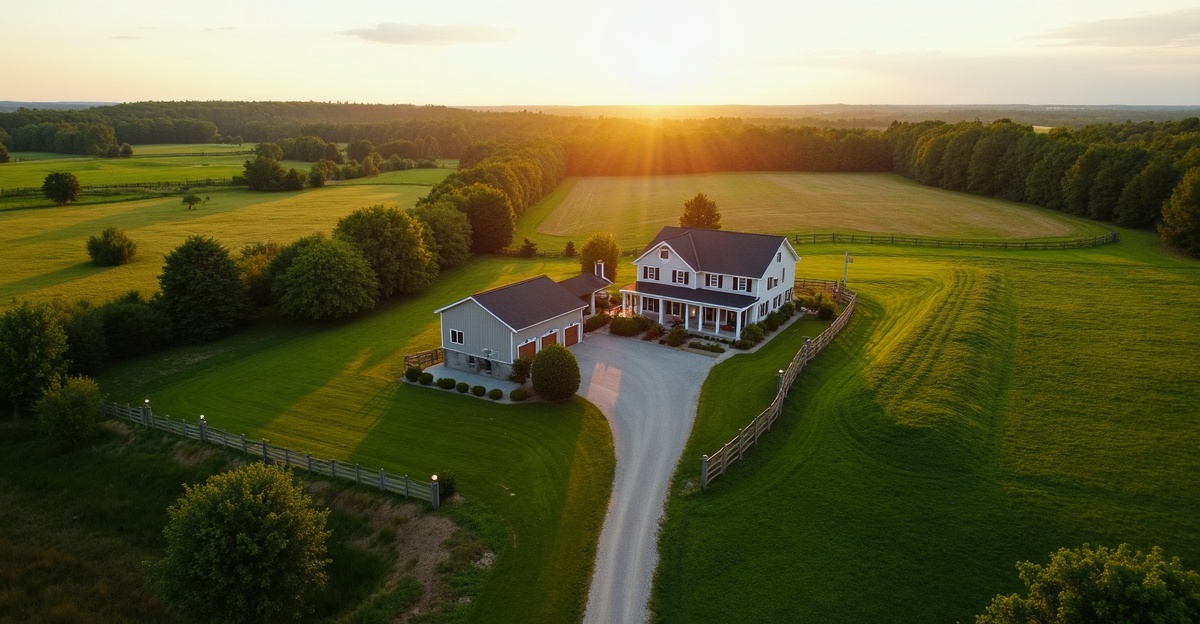
You’ve found the perfect acreage listing — a weathered barn, rolling fields, and no neighbours for miles. But here’s the thing: qualifying for a rural mortgage isn’t the same as financing a condo in Toronto. Lenders treat country properties differently, and if you’re not ready for that, your dream home could slip away before you even make an offer.
Let’s walk through what you actually need to know before buying rural property in Canada.
What Is the Difference Between Residential and Agricultural Zoning When Buying Rural Property?
Zoning determines what you’re allowed to do with the land — and it’s the first thing lenders check when you’re buying rural property in Canada. A property might be zoned residential, agricultural, or country residential, and those labels aren’t interchangeable.
If it’s zoned agricultural, you’re legally allowed to farm, keep livestock, or run a small-scale operation. But that same zoning can scare off some lenders. Why? Because foreclosure processes differ outside city limits, and not every bank wants to deal with that risk.
Country residential zoning usually means you can live there but can’t operate a commercial farm. It’s a middle ground — less restrictive than pure residential, but easier to finance than agricultural land.
Bottom line: Check the zoning before you fall in love with the property. It dictates what you can build, what you can do, and who’ll lend to you.
How Do Property Boundaries Work on Rural Land in Canada?
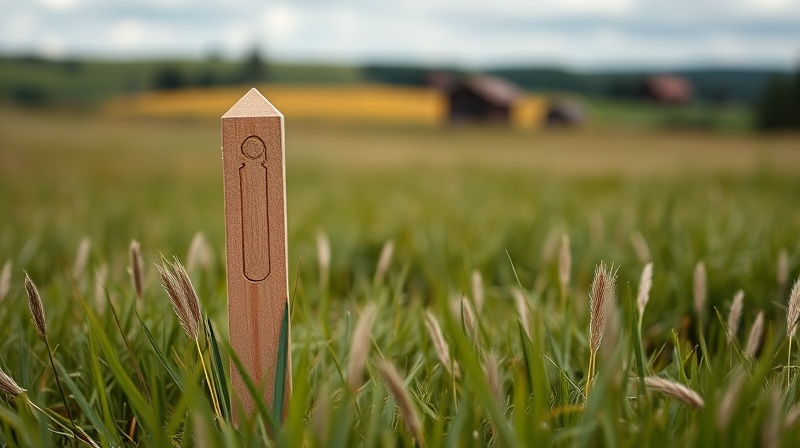
City lots have clear fences and survey pins every few metres. Rural properties? Not so much.
You’ll want a land survey done early — ideally as a condition of your offer when buying rural property. This marks the exact boundaries of what you’re buying and prevents disputes with neighbours (or worse, finding out your dream barn sits on someone else’s land).
Get an appraisal at the same time. Lenders won’t move forward without knowing what the land is worth, and rural appraisals can take longer than urban ones. Plan for that delay.
Can You Get a Mortgage for Extra Land or Outbuildings?
Here’s where rural mortgages get tricky. Most Canadian lenders will finance one house, one outbuilding, and up to 10 acres of land. That’s the standard package.
If you’re buying 15 acres, a barn, and a detached workshop? You’ll need extra funds. Some lenders won’t touch the second building or the extra acreage at all. Others will, but you’ll need a bigger down payment — often 20% instead of 5%.
According to CMHC, mortgage insurance doesn’t always extend to properties with multiple structures or large parcels. That means you’re looking at conventional financing, which requires more cash upfront.
Real talk: If you’re buying more than 10 acres or multiple buildings, talk to a mortgage broker who specializes in rural properties. They’ll know which lenders are flexible and what documentation you’ll need.
Why Do You Need a Well and Septic Inspection Before Buying Rural Property?
Most rural homes use private wells for water and septic tanks for sewage. Lenders won’t approve your mortgage without confirming both systems work properly.
You’ll need a potability test to prove the water is safe to drink and a flow test to ensure the well produces enough water for daily household use. For septic systems, an inspection checks for leaks, capacity issues, and compliance with local health regulations.
These inspections cost more than city home inspections — sometimes $500 to $1,000 combined. But they’re non-negotiable. If the well fails potability or the septic system needs a $15,000 replacement, you’ll want to know before closing.
Make these inspections a condition of your offer. That’s a big deal when buying rural property in Canada.
Is Home Insurance More Expensive for Rural Properties?
Yes — and sometimes by a lot. Rural home insurance can run 20% to 40% higher than city coverage.
Why? Distance from fire stations and emergency services increases risk for insurers. Properties with large acreage, outbuildings, or limited hydrant access drive up premiums even more. Some insurers won’t cover homes more than 8 kilometres from a fire station.
You’ll also want title insurance — under $500 and worth every penny. It protects you from unforeseen issues with the property deed, like illegal dumping, improper land use by previous owners, or boundary disputes. According to Canada.ca, title insurance is especially critical on rural land where records may be less detailed than in urban areas.
Shop for insurance early. Some rural properties are harder to insure than others, and you don’t want that surprise a week before closing.
Frequently Asked Questions
What is the maximum acreage most lenders will finance on a rural property?
Most Canadian lenders will finance up to 10 acres of land along with one house and one outbuilding. Anything beyond that typically requires a larger down payment or conventional financing, as mortgage insurance doesn’t always cover properties with extra acreage or multiple structures.
Do I need a well inspection before buying a rural home?
Yes — lenders usually require potability and flow tests on private wells before approving a rural mortgage. Potability confirms the water is safe to drink, and flow tests ensure the well produces enough water for daily household use. Without passing both, your financing could fall through.
Is title insurance necessary for rural properties in Canada?
Absolutely. Title insurance protects you from unforeseen issues with the property deed, such as illegal dumping, improper land use by previous owners, or boundary disputes. It costs under $500 and is especially important on rural land where records may be less detailed than in urban areas.
Why is rural home insurance more expensive than city coverage?
Rural homes are farther from fire stations and emergency services, which increases risk for insurers. Properties with large acreage, outbuildings, or limited hydrant access also drive up premiums. Some insurers won’t cover homes more than 8 kilometres from a fire station, so it’s critical to shop around early.
Buying rural property in Canada comes with unique financing challenges — but you don’t have to figure it out alone. Arch Canada can match you with a mortgage broker who understands acreage, zoning, and lender requirements for country homes.