
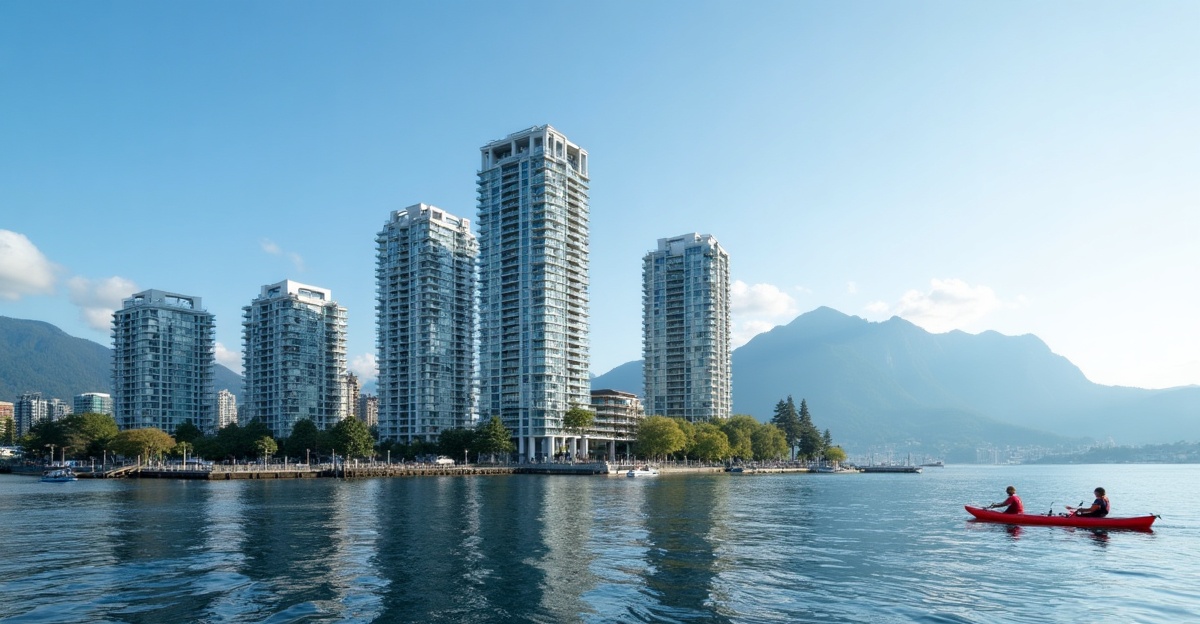
You've watched rents climb year after year. Vacancy rates near zero. Now 6,000 new rental units hit Vancouver — all at once.
Will it help?
What Is the Senákw Rental Development in Vancouver?
The Senákw rental development is Canada's largest Indigenous-built housing project. The Squamish Nation is building 11 towers on 10 acres of reserve land in Kitsilano — prime waterfront near UBC and English Bay — delivering 6,000 rental units over the next few years, starting with 1,400 apartments this summer.
That's more than half of all purpose-built rentals Vancouver added in 2025.
Here's what makes it different: Senákw sits on reserve land returned after a 2003 legal settlement. Not city land means no Vancouver bylaws, no permit delays, no density caps. Construction finished in four years. Towers hit 60 storeys — taller than anything else nearby.
Why Did the Squamish Nation Build This Project?
Squamish Nation chair Wilson Williams says the 4,000-member nation needed housing. His 19-year-old daughter wanted to attend UBC but couldn't find affordable options nearby. Hundreds of subsidized units at Senákw go to Indigenous residents.
"Everyone has a common issue of a housing crisis, and affordability in Vancouver is what people need," Williams told reporters in May.
Building dense rental housing on their own land — without city red tape — was the fastest path to solving their housing problem and generating long-term revenue.
How Much Will Senákw Apartments Cost?
Starting rents match Vancouver's current averages. One-bedroom units begin at $2,275 per month. Two-bedrooms start at $3,505.
According to CMHC, Vancouver's rental market cooled from its 2023 peak. Average rent sits just under $2,700 — down 14% from three years ago. That drop happened because immigration slowed, population growth stalled, and young renters moved back home or left the city.
Senákw's unsubsidized apartments come with premium finishes — gym, spa, pool, waterfront views. The project targets high-income renters who currently occupy older, cheaper units because nothing better exists.
When those renters move to Senákw, they free up lower-cost apartments.
Will Senákw Actually Lower Vancouver Rents?
Here's the tension: Vancouver desperately needs more rental supply. The city added 2,300 purpose-built rentals in 2025 — its highest number in 40 years.
Simon Fraser University finance professor Andrey Pavlov calls that "absolutely nothing."
"We need not 2,300 but 23,000 to catch up with the demand that's out there," Pavlov said. Seattle built 18,000 rental units in 2018 for comparison.
But Senákw's timing is tricky. The first 1,400 units hit this summer as demand craters. Giacomo Ladas from Rentals.ca says the project "is adding supply in a softer market which in theory could bring rents down more."
Vancouver's vacancy rate remains too low, and $2,700 average rent is still unaffordable for most young professionals. Adding 6,000 units over the next few years will help — but it won't crash the market overnight.
Should You Wait for Senákw Before Renting?
Common mistake: assuming one development will flood the market and trigger a rental price collapse. Even 6,000 units spread over multiple years won't overwhelm a metro needing 23,000 new rentals annually.
If you're renting now and happy with your place, you're probably not missing out. Senákw's premium finishes come at a premium price.
If you're hunting for a nicer one-bedroom near downtown and can afford $2,275 plus, Senákw might be worth touring. Imagine you're paying $2,100 for a dated apartment in Mount Pleasant. Moving to Senákw for $2,275 gets you a brand-new unit with a gym and pool. For $175 more per month, that might be worth it.
But if you're hoping Senákw will push Yaletown studios below $1,800, you'll be waiting a while.
What This Means for First-Time Buyers in Vancouver
Renters who move to Senákw free up older, cheaper apartments — which might ease competition for entry-level rentals. But the real opportunity for first-time buyers might be elsewhere.
Vancouver's condo market has softened alongside rentals. If you're renting and saving for a down payment, getting pre-approved now could position you to buy when inventory picks up later this year.
Here's the math: if you're paying $2,275 in rent at Senákw, that's $27,300 per year. A $500,000 condo with 10% down ($50,000) and a 4.5% mortgage rate costs roughly $2,400 per month including property tax and strata fees.
Not every renter can scrape together $50,000 for a down payment. But for those who can, the gap between renting and owning in Vancouver has narrowed considerably since 2023.
Job loss happens. Kids arrive. But if your income is stable and you're planning to stay in Vancouver for at least five years, buying might beat renting — especially if you lock in today's rates before the next uptick.
| Unit Type | Senákw Starting Rent | Vancouver Average Rent (2026) |
|---|---|---|
| 1-Bedroom | $2,275 | $2,700 |
| 2-Bedroom | $3,505 | $3,200+ |
| Unsubsidized Premium | Higher (waterfront views, amenities) | N/A |
Frequently Asked Questions
How many rental units will Senákw add to Vancouver?
The Senákw development will deliver 6,000 rental units over the next few years, with the first 1,400 apartments opening this summer. That's more than half of all purpose-built rentals Vancouver added in 2025.
Why doesn't Senákw follow Vancouver bylaws?
Senákw sits on reserve land returned to the Squamish Nation after a 2003 legal settlement. Because it's not city land, the project doesn't follow Vancouver bylaws — no permit delays, no density restrictions.
Will Senákw make Vancouver rents affordable?
Senákw will help, but it won't crash the market overnight. Vancouver needs 23,000 new rentals annually to catch up with demand — Senákw's 6,000 units spread over multiple years won't overwhelm that gap.
Ready to take the next step? Arch Canada can match you with a mortgage broker.