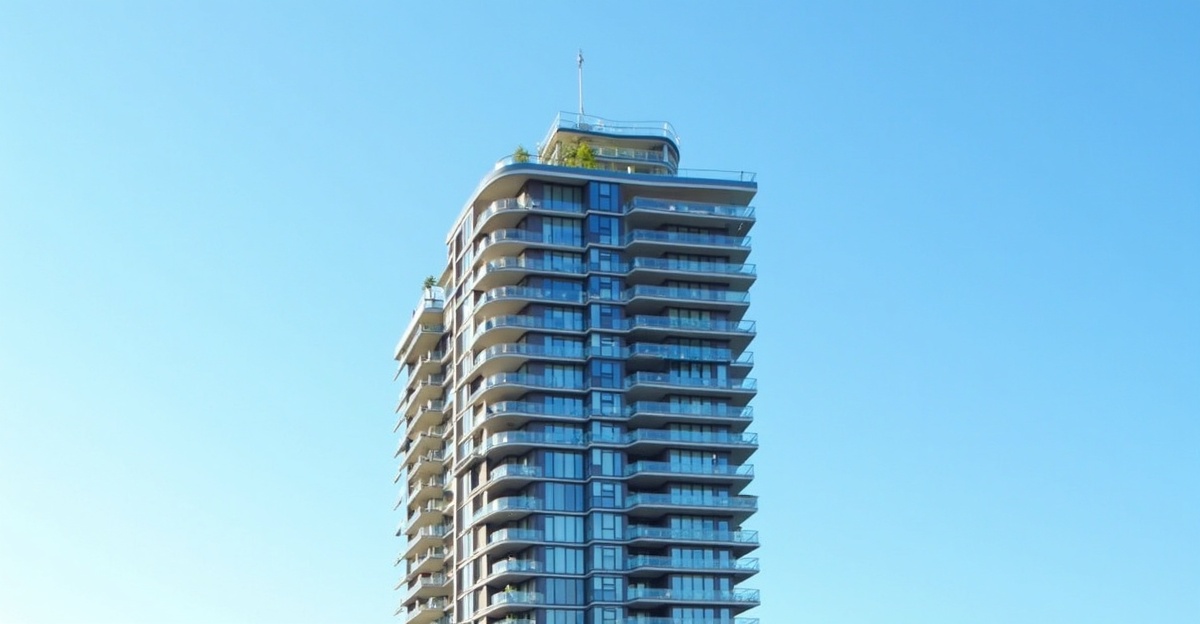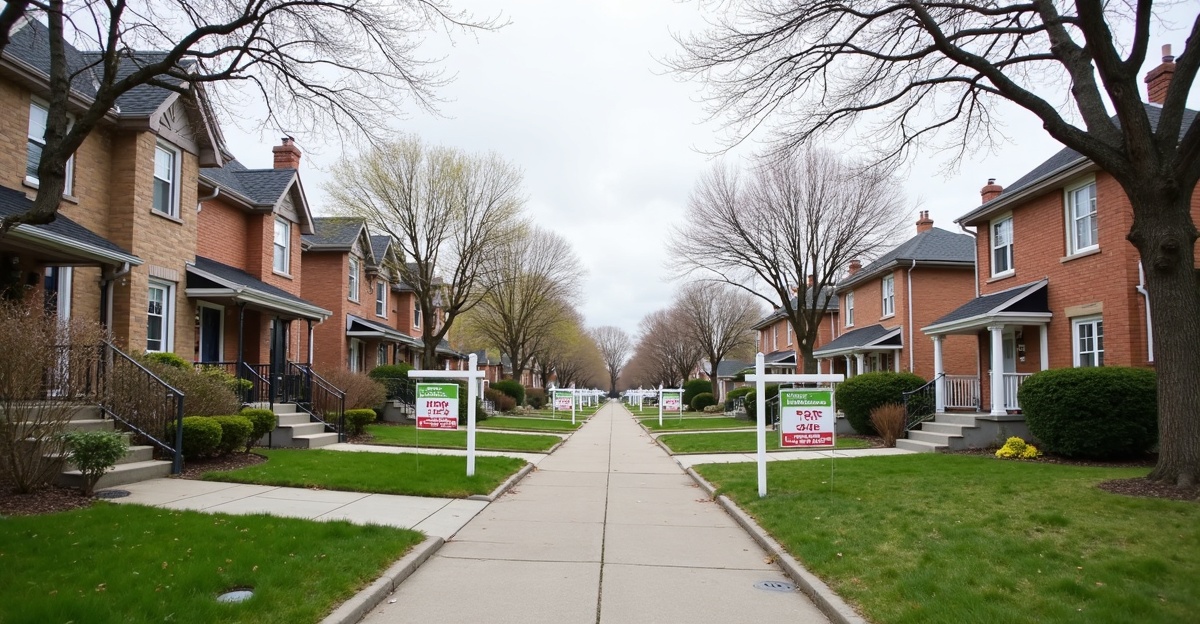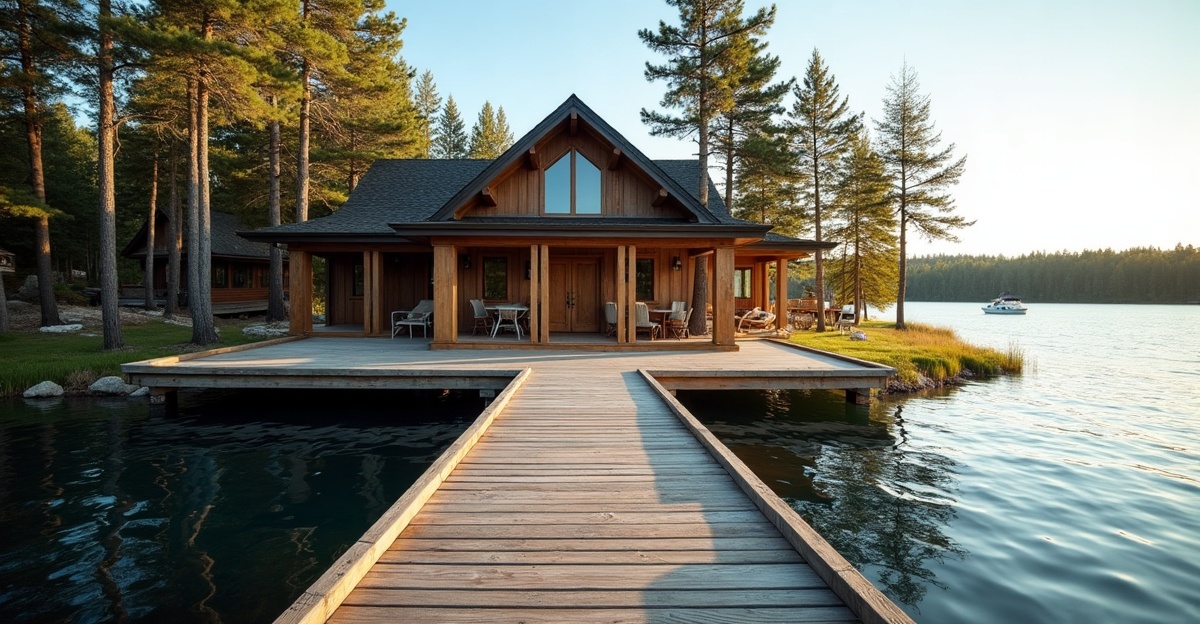
You can't afford a condo in Toronto. Your pre-approval barely covers a one-bedroom in Vancouver. So you start scrolling cottage listings — and find waterfront property for the same price as that tiny condo.
That's not fantasy anymore.
Why Are Young Canadians Buying Cottages Before City Condos?
Young Canadians are turning to recreational properties as their first purchase. According to a 2026 RE/MAX survey, nearly half of prospective buyers view cottage country as an entry point into ownership. Among buyers aged 18 to 34, more than 50% say recreational properties play a role in their long-term plans — compared with just 30% of buyers 35 and older.
The math works. A two-bedroom condo in the Greater Toronto Area averages $1,051,969 as of April 2026. A cottage in Kawartha Lakes? Often the same price or less — with more land, rental income potential, and actual waterfront.
Here's the thing: this isn't about giving up on city living. Some buyers live in their cottages full-time (remote work helps). Others rent them out most of the year and use the cash flow to qualify for a city property later.
What Does a Cottage-First Strategy Actually Look Like?
Victoria Preston bought her first property at 23 — a $700,000 cottage in Kawartha Lakes, co-owned with her brother. She rented it out as a vacation home most of the year, then bought a second cottage nearby. The rental income from both properties helped her qualify for a two-bedroom condo in Toronto in 2026.
Brokers in southern Georgian Bay and Muskoka report growing interest from younger buyers priced out of urban markets but still wanting to own something.
The appeal? Flexibility. You can rent the property out most of the year (covering your mortgage and then some), block off a few weeks for personal use, and build equity while you're at it.
How Much Does It Cost to Own a Cottage in Canada?
Maintenance costs can catch you off guard — especially managing a property from two hours away. Property management fees, cleaning between rentals, winterization, septic upkeep, and repairs add up fast.
According to the same RE/MAX survey, 40% of Canadians say they'd struggle to afford maintenance costs if they inherited a family cottage. Now imagine buying one on purpose.
Real talk: you need a local property manager and cleaning team if you're renting it out. Preston factored those costs into her rental income structure from day one.
| Cost Category | Typical Annual Range |
|---|---|
| Property management | $3,000–$6,000 |
| Cleaning between rentals | $2,000–$4,000 |
| Maintenance & repairs | $2,500–$5,000 |
| Property taxes | $2,000–$4,000 |
Can You Qualify for First-Time Buyer Incentives on a Cottage?
No. Most government incentives and land transfer tax rebates are designed for primary residences. If you're buying a cottage as a rental property, you won't qualify.
That means no FHSA withdrawals, no Home Buyers' Plan from your RRSP, and no land transfer tax rebate. You're buying an investment property, which means 20% minimum down payment and different mortgage rules.
Big drop.
But if you're planning to live there full-time or part-time, you might qualify for some breaks — talk to a mortgage broker who understands recreational property financing.
Should You Buy a Cottage Before a Condo in 2026?
Depends on your cash flow and long-term plan. If you can handle the maintenance costs, have a solid rental strategy, and don't mind managing a property remotely, a cottage-first approach can work. The rental income can help you qualify for a city property later — just like Preston's strategy.
But this isn't a shortcut. You're still buying a property with all the responsibilities. Job loss happens. Furnaces break. You need a financial cushion and realistic income projection before jumping in.
Chris Poole, a certified financial planner at Sun Life, says many younger clients focus on career growth and maxing out their FHSA contributions before buying any property. That's not a bad call — you don't need to own real estate to build wealth.
Is the Cottage Market a Buyer's Market Right Now?
Yes. More than half of Canada's 21 recreational markets are expected to remain buyer's markets in 2026, according to RE/MAX's analysis. About one-third are balanced markets.
That's a shift from the pandemic-era boom, when bidding wars and soaring prices transformed cottage country. Now, many retirees are selling or passing properties to their kids, which is freeing up inventory and easing prices.
According to the Bank of Canada, interest rate cuts in 2026 are also improving affordability — including recreational properties. If you're serious about this strategy, now's a better time than 2021 was.
What Are the Tax Implications of Owning a Cottage as a Rental?
Rental income is taxable. If you're renting your cottage out for most of the year, you'll report that income on your tax return and deduct eligible expenses — property management, repairs, insurance, utilities.
For example: if you rent the cottage for 40 weeks per year and use it personally for 4 weeks, you can deduct 40/44ths of your expenses. Common mistake: thinking you can deduct 100% of costs when you're using the property yourself part of the time.
If you later sell the cottage, you might owe capital gains tax — unless you designate it as your principal residence. You can only have one principal residence at a time, so talk to an accountant before buying.
Frequently Asked Questions
Can I use my FHSA to buy a cottage in Canada?
No — the FHSA only works for your primary residence. If you're buying a cottage as a rental property, you can't withdraw FHSA funds. You'll need a 20% down payment minimum.
What are typical rental income returns for cottages in Ontario?
Rental income varies by location, but many Ontario cottage owners report $30,000–$50,000 annually from short-term rentals. After expenses (management, cleaning, taxes, repairs), net income is typically $10,000–$20,000 per year.
Do I need a different mortgage for a recreational property?
Yes — recreational properties are considered investment properties. Expect higher interest rates, 20% minimum down, and stricter income verification than a primary residence mortgage.
Ready to take the next step? Arch Canada can match you with a broker.