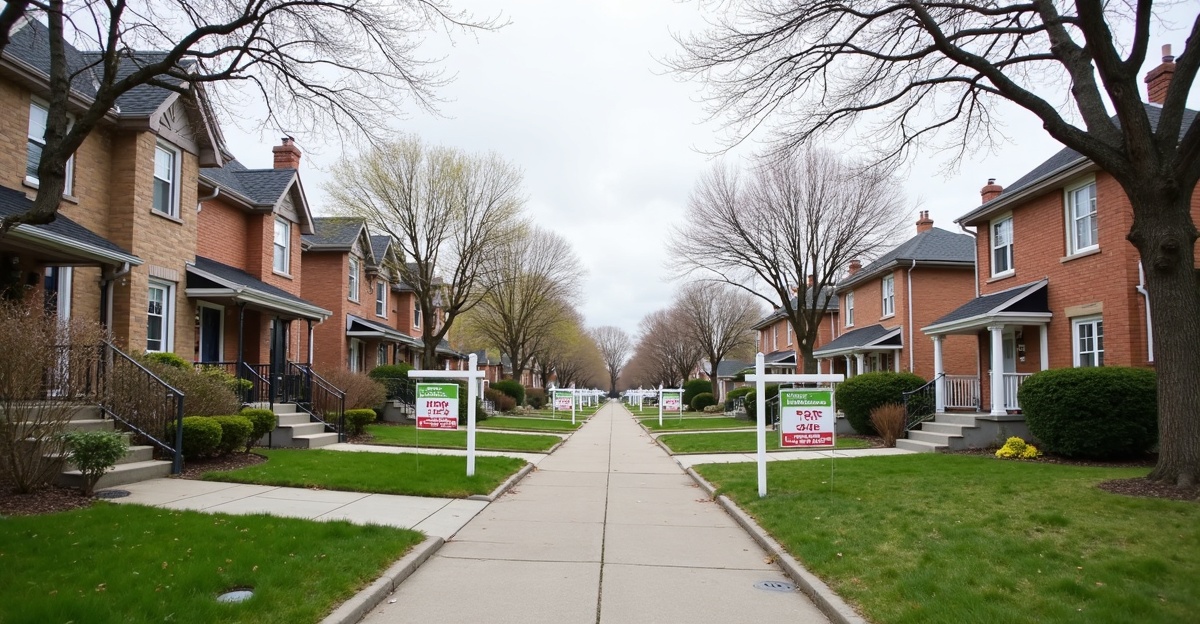
Your February pre-approval might not stretch as far as it did eight weeks ago. Home affordability Canada worsened in 12 out of 13 major markets in April 2026 — two more cities than March. Rising rates and climbing prices are squeezing buyers who thought they had a handle on their budget.
Why Did Home Affordability Canada Worsen in April 2026?
Home affordability Canada declined when two forces collided. Home prices rose — the Canadian Real Estate Association reports the national average climbed 2.2% year-over-year to $695,412.
Mortgage rates jumped at the same time. The lowest five-year fixed insured rate climbed from 3.79% in March to 4.04% in April. That pushed the mortgage stress test rate to 6.47%.
Even a small rate increase changes how much income you need. The stress test forces lenders to qualify you at a rate 2% higher than your contract rate. When rates rise, the income bar rises too.
Bond yields jumped as investors reacted to oil price volatility tied to the Iran conflict. According to the Bank of Canada, inflation expectations are keeping borrowing costs elevated.
How Much More Income Do Canadian Buyers Need Now?
Ottawa saw the sharpest hit in April. The benchmark home price jumped $12,100 to $629,800. Local buyers now need to earn $3,150 more annually to qualify under the current mortgage stress test.
Victoria ranked second for the second month running. The benchmark price climbed $5,400 to $891,400, pushing required income up by $2,270. Spring sales surged 11% month-over-month — well above the national 0.7% average reported by CREA.
Only Fredericton bucked the trend. The benchmark price dropped $15,500 to $342,200, meaning buyers need to earn $2,450 less. If you're looking for breathing room, that's where you'll find it right now.
Should You Lock In a Mortgage Rate Now or Wait?
Here's a scenario: you're pre-approved at 4.04% in April, but rates jump to 4.5% by June. Without a rate hold, you'd need to qualify at 6.5% under the stress test instead of 6.04%. That could knock $40,000 off your maximum purchase price.
A rate hold locks in today's rate for 90-120 days at no cost. If rates drop before you close, you get the lower rate. If rates rise, you're protected.
For example, let's say you hold a rate at 4.04% in April and rates climb to 4.3% by June. You still close at 4.04%, saving roughly $50/month on a $500,000 mortgage. Over five years, that's $3,000 in your pocket.
Not gonna lie — rates are unpredictable right now. If you're serious about buying this spring or summer, talk to a broker about locking in before rates climb further.
What Should Canadian Home Buyers Do Right Now?
Start by running the numbers at today's stress test rate — 6.47% as of April 2026. If you can't afford payments at that level, you can't qualify. Many buyers make the common mistake of budgeting for their contract rate and forgetting the stress test adds 2% on top.
Consider opening a First Home Savings Account if you haven't already. You can contribute up to $8,000 annually (lifetime max $40,000), claim a tax deduction, and withdraw the full amount tax-free when you buy.
Check your credit score before you apply. Lenders look at your score to determine your rate tier — a score above 680 typically unlocks better pricing. A few months of on-time payments could bump you up and save you thousands.
Finally, shop around. Rates vary by lender, and the big banks don't always offer the best deal. A broker can compare rates from multiple lenders in one go — and they're paid by the lender, not you.
Frequently Asked Questions
What is the mortgage stress test rate in Canada right now?
As of April 2026, the mortgage stress test rate is 6.47%. Lenders qualify you at this rate (your contract rate plus 2%) to ensure you can handle payment increases if rates climb.
Which Canadian city saw the biggest affordability drop in April 2026?
Ottawa saw the biggest hit — buyers now need to earn $3,150 more annually after the benchmark price jumped $12,100 to $629,800 in a single month.
Can I still qualify if rates rise before I close?
Only if you have a rate hold. Without one, you'll qualify at the higher stress test rate, which could reduce your maximum purchase price by tens of thousands of dollars.
Need help navigating rising rates and stress test requirements? Arch Canada can match you with a broker who'll run the numbers and lock in a rate before affordability gets tighter.