You've found the house. Great layout, beautiful finishes, move-in ready. But that Instagram-worthy kitchen might hide $15,000 in electrical problems. Fresh paint could cover water damage.
A home inspection costs $300-$500. Skipping it could cost tens of thousands.
What Does a Home Inspector Actually Check?
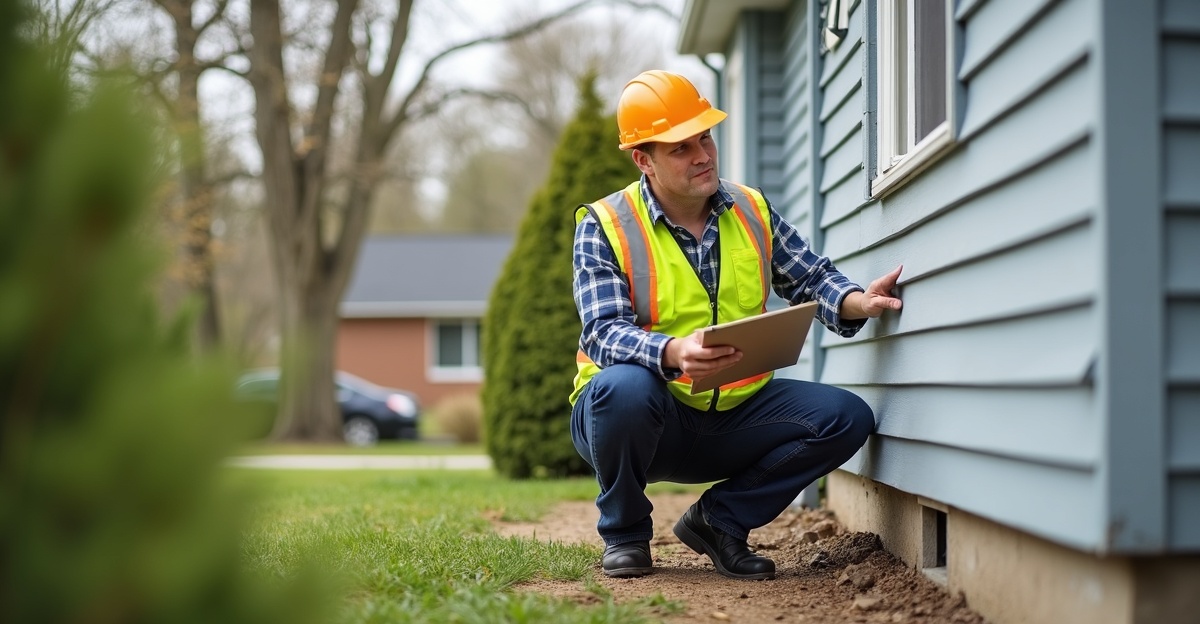
A certified home inspector examines the parts of a house you can't easily see. They spend 2-3 hours checking the attic, basement, roof, and mechanical systems to find problems before they become yours.
Inspectors review structural integrity, electrical wiring, plumbing, roofing, HVAC systems, and safety hazards. CMHC recommends professional inspections as part of the home buying process, especially for older properties. You get a 30-50 page report that breaks down what works, what doesn't, and what needs fixing soon.
How to Avoid Costly Surprises After You Buy
Smart buyers focus on the foundation, roof, and furnace — not just the counters and backyard. A home inspection uncovers expensive problems hiding behind staged furniture.
Cracked foundations cost $10,000 to repair. A failing septic system runs $15,000 or more. Knob-and-tube wiring in an older Toronto home means a full rewire at $8,000-$12,000. These aren't minor fixes.
An inspection gives you leverage. If the report flags a $5,000 roof repair, you can ask the seller to cover it, reduce the price, or walk away. Without an inspection, you own the problem when you sign.
Can You Renegotiate the Price After an Inspection?
Yes. Let's say the inspection reveals a 22-year-old furnace likely to fail within two years. Replacing it costs around $4,000. You can request a price reduction to cover the cost.
Sometimes sellers agree. Sometimes they don't. In a balanced market, most sellers will negotiate rather than lose the deal. Even in competitive markets, a legitimate safety issue gives you room to push back.
If the seller refuses and repair costs are significant, walking away is often smartest. A house needing $20,000 in immediate repairs isn't a good deal no matter how low the price looks.
What Happens If You Skip the Inspection?
Some buyers waive inspections to make offers more attractive. That's a gamble. Skipping the inspection might seem necessary in a bidding war — but it can backfire hard.
Here's a scenario: imagine you get pre-approved for a mortgage, buy without an inspection, and discover basement mold six months later. Your insurance investigates and finds the mold was caused by improper DIY plumbing repairs. Because the work wasn't up to code, your home insurance denies the claim.
Now you're paying $3,000-$10,000 for remediation out of pocket with no recourse against the seller. That's the risk.
How Does an Inspection Help You Budget for Future Costs?
A good inspection report forecasts what you'll need to replace in the next 5-10 years. Water heaters last 8-10 years. Roofs last 20-25 years. Furnaces run 15-20 years if maintained properly.
If the water heater is 9 years old, you'll be replacing it soon. That's $1,200-$2,000 to budget for. If the roof is 18 years old, plan on needing a new one within five years — $8,000-$15,000 depending on size.
This planning is essential for budgeting as a homeowner. According to Statistics Canada, Canadian homeowners spend 1-3% of their home's value annually on maintenance. An inspection helps you anticipate costs instead of getting blindsided.
| Item | Typical Lifespan | Replacement Cost |
|---|---|---|
| Water Heater | 8-10 years | $1,200-$2,000 |
| Roof | 20-25 years | $8,000-$15,000 |
| Furnace | 15-20 years | $3,500-$6,000 |
| Windows | 15-20 years | $500-$1,000 per window |
Why Peace of Mind Is Worth $500
You're about to borrow hundreds of thousands and commit to a 25-year mortgage. Spending $500 to ensure the house won't collapse or bankrupt you is a no-brainer.
A home inspection won't catch every issue — inspectors aren't clairvoyant — but it dramatically reduces risk. You'll sleep better knowing the foundation is solid, the roof isn't leaking, and the electrical panel isn't a fire hazard.
You're making the biggest financial decision of your life. Do it with your eyes open.
Frequently Asked Questions
What does a home inspector look for during an inspection?
A home inspector examines structural components, electrical systems, plumbing, roofing, HVAC equipment, and visible safety hazards. The inspection typically takes 2-3 hours and results in a detailed report outlining defects and recommended repairs.
How much does a home inspection cost in Canada?
A standard home inspection in Canada costs between $300 and $500, depending on the property size and location. Larger homes or properties requiring specialized inspections (like septic systems) may cost more.
Can a seller refuse to fix issues found during an inspection?
Yes, sellers can refuse to make repairs or reduce the price. However, buyers can walk away if the purchase agreement includes an inspection condition. In many cases, sellers negotiate to keep the deal from falling through.
Ready to take the next step? Arch Canada can match you with a mortgage broker.