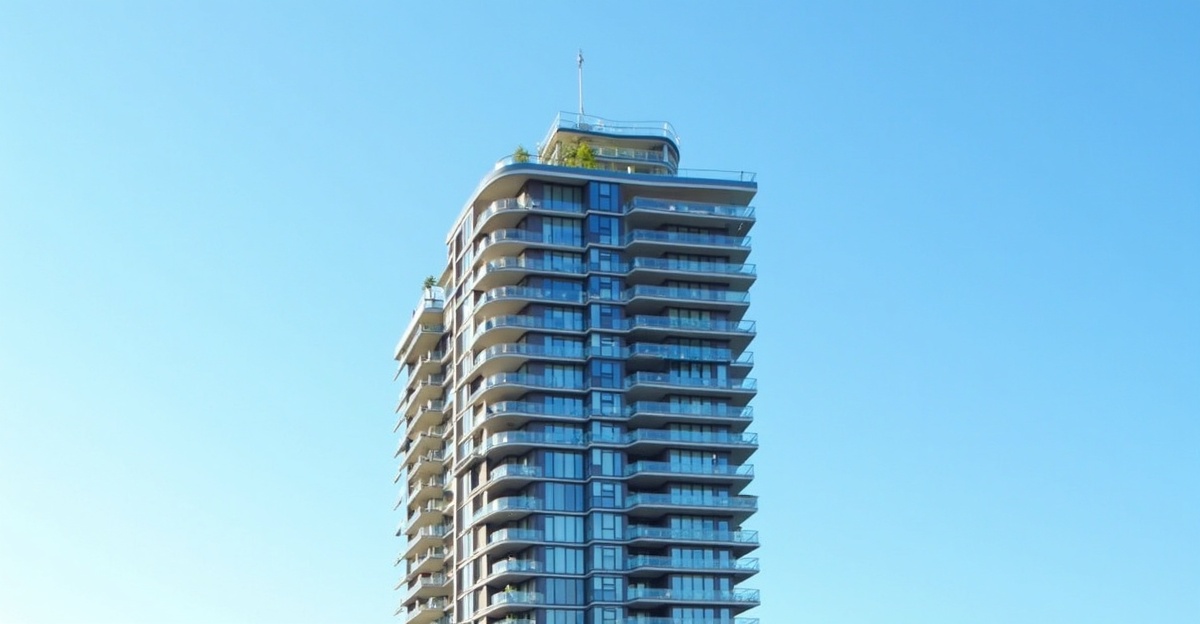
You saved for years. Got pre-approved. Started browsing listings. Then your friend showed you a luxury condo rental in Yorkville — two bedrooms, gym, rooftop terrace — for less per month than your mortgage payment would've been.
You paused.
Why Are Toronto Buyers Renting Instead of Buying in 2026?
Rental prices across Toronto are softening, and new condo inventory is flooding the market. Toronto buyers renting in 2026 now make up 58% of Q1 transactions, up from 30% in 2020, according to the Toronto Regional Real Estate Board.
Immigration levels dropped. International student visas fell. New purpose-built rental towers opened. Suddenly, there's more supply and softer demand — a tenant's market.
Todd Skinner, an agent with Chestnut Park, says economic uncertainty plays a role too. When jobs feel shaky and mortgage rates hover above 4%, renting feels safer than buying.
Who's Actually Choosing to Rent Instead of Buy?
Not just young renters. Baby boomers and Gen-Xers are downsizing from big suburban homes and choosing luxury rentals in midtown Toronto instead of buying condos.
Skinner notes many own second homes outside the city. They sell the primary residence, rent downtown, and keep the cottage. Others want to travel without maintaining a condo.
Buildings like The James at 10 Price Street cater to this crowd — upscale amenities, no property tax bill, no condo fees. Just monthly rent.
First-time buyers priced out in 2022 are now renting in Yorkville's luxury towers. Dino Capocci, an agent with Royal LePage, says these units sat empty. Tenants have their pick.
What That Means for Sellers
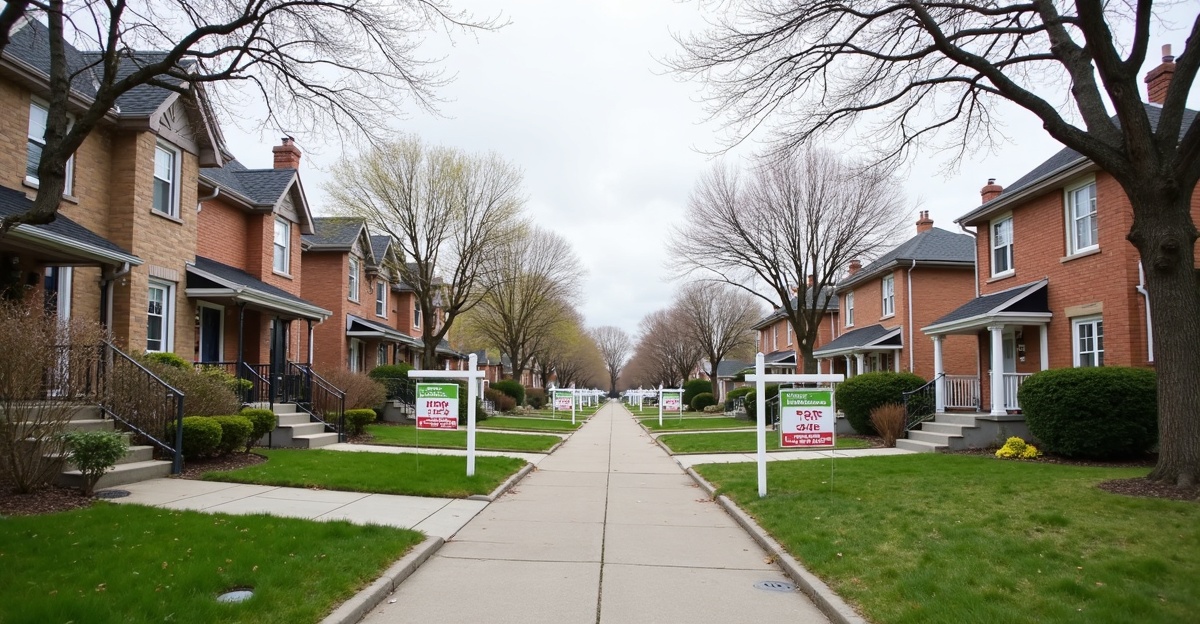
More renters means fewer buyers. Home sales in May 2026 rose 10% from April — but that's still the third-weakest May since 2000, according to Daren King, senior economist at National Bank. Listings are high. Buyers have options.
Capocci recently worked with a seller in Moore Park who listed at $2.7 million, dropped to $2.5 million, and still struggled. The seller paid $2.51 million years ago — they're losing money.
How Much Have Toronto Home Prices Dropped Since 2022?
King estimates Toronto-area prices fell about 20% from the 2022 peak. That's a $200,000 drop on a $1 million home.
Despite that, affordability improved for nine straight quarters through Q1 2026 — the longest streak on record. Rising incomes and falling prices offset higher mortgage rates.
Still, Toronto remains unaffordable. A typical household would need over 60% of pre-tax income to cover a mortgage, property tax, and utilities. That's well above the sustainable 35% threshold.
Should You Rent or Buy in Toronto Right Now?
Depends on your timeline. If you're planning to move in two years or want flexibility, renting makes sense. Monthly costs are lower, and you're not locked into a property that could lose value.
If you're buying for the long haul — 7+ years — and can afford the payment, getting pre-approved and locking in a rate near the bottom of the cycle could build equity as prices recover.
For example, a $900,000 condo today with 10% down. If prices rise just 3% annually over seven years, you'd gain about $215,000 in equity — far more than you'd save renting.
But if you lose your job in year two and need to sell, you could be underwater. Renting protects against that downside.
| Factor | Rent | Buy |
|---|---|---|
| Monthly cost | Lower upfront | Higher (mortgage + fees) |
| Flexibility | High (can move anytime) | Low (selling costs ~5%) |
| Equity | None | Builds over time |
| Risk | Rent increases | Price declines |
What About CMHC and OSFI's Role in This Market?
The Canada Mortgage and Housing Corporation tracks rental supply and vacancy rates across the Toronto CMA. New purpose-built rental towers have pushed vacancy rates higher — good news for renters, bad news for landlords.
Meanwhile, the Office of the Superintendent of Financial Institutions sets the mortgage stress test rate. That floor keeps rising with bond yields, which means buyers need higher incomes to qualify even as home prices fall.
Common mistake: assuming falling home prices automatically mean better affordability. If the stress test rate rises faster than prices fall, you could actually qualify for less mortgage in 2026 than you did in 2024.
Frequently Asked Questions
Why are so many Toronto buyers choosing to rent instead of buy in 2026?
Rental prices softened due to lower immigration and new condo supply, making renting cheaper than owning in many Toronto neighborhoods. TRREB data shows 58% of Q1 2026 transactions were rentals, up from 30% in 2020.
How much have Toronto home prices dropped since 2022?
Toronto-area home prices have fallen about 20% from the 2022 peak, according to National Bank. That's roughly a $200,000 decline on a $1 million property, though affordability improved for nine straight quarters through Q1 2026.
Should first-time buyers in Toronto wait or buy now?
If you plan to stay 7+ years and can afford the monthly payment, buying near the bottom of the cycle could build equity as prices recover. If you need flexibility or expect to move soon, renting protects against downside risk.
Ready to take the next step? Arch Canada can match you with a broker.